
How we work
Diagnosis first. Design second. Everything else follows from evidence.
Our method is deliberately unglamorous: understand the constraint, design something proportionate, secure ownership, support delivery and measure whether it worked.
Method
Five stages, applied to every engagement
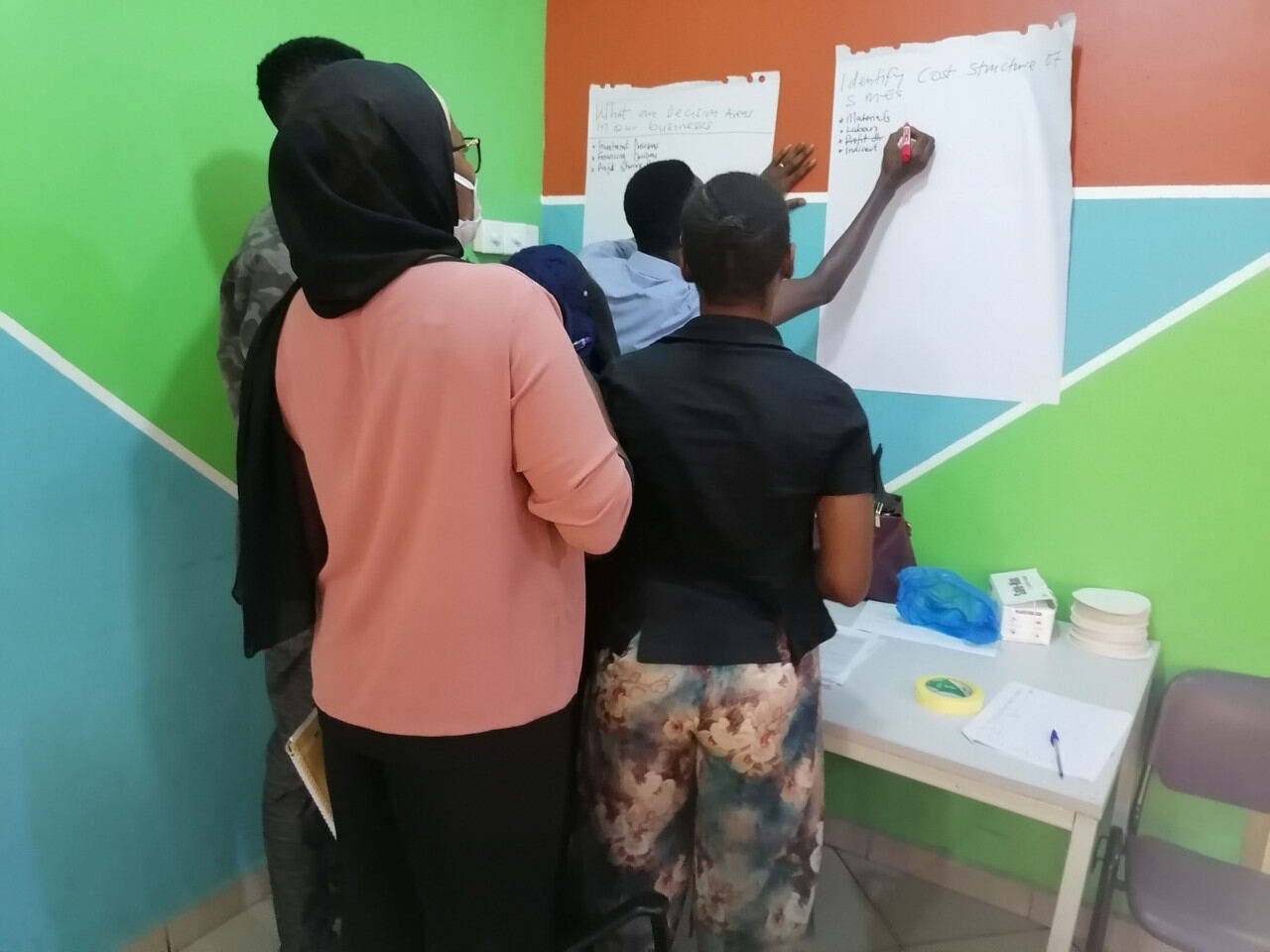
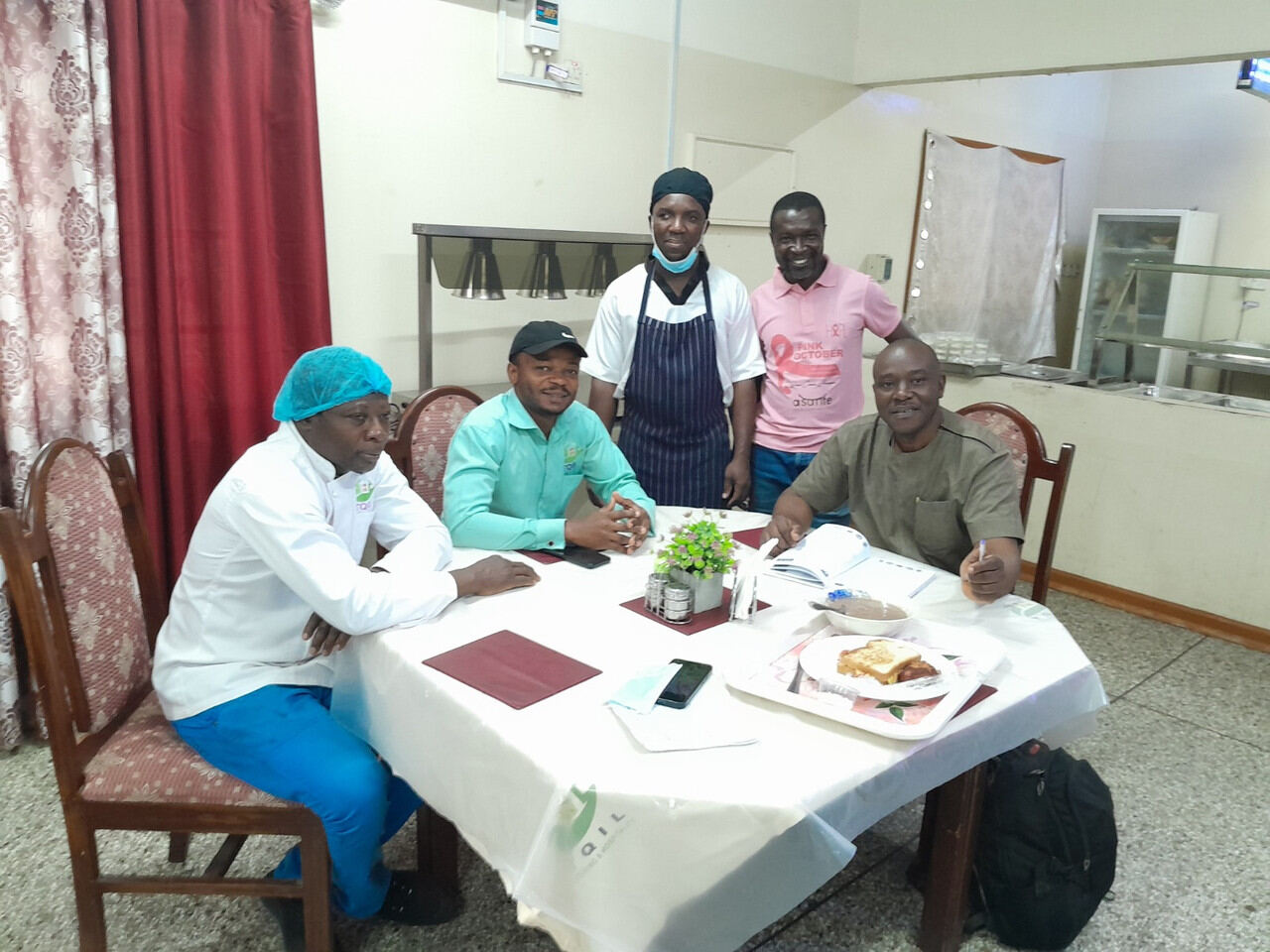
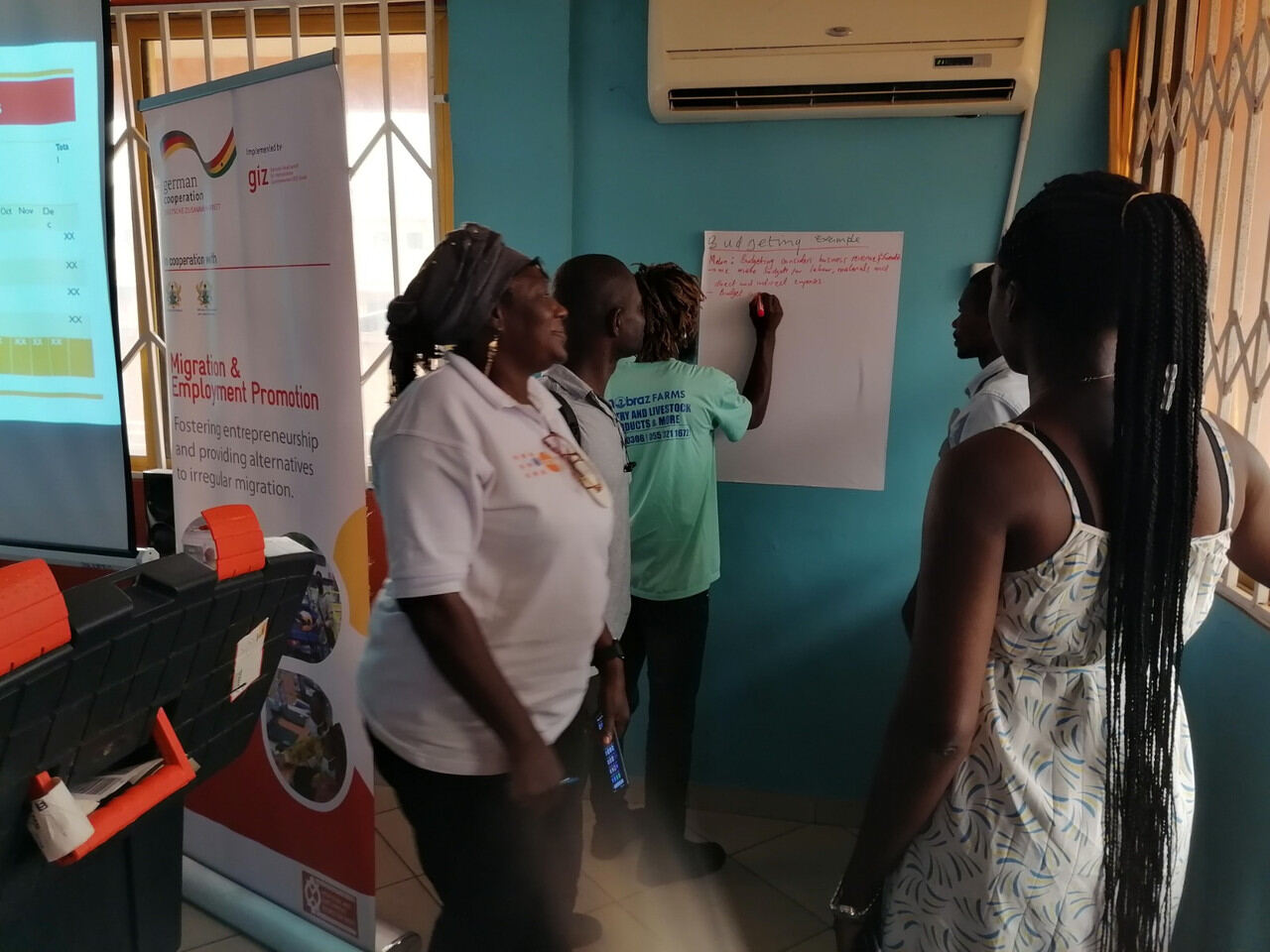
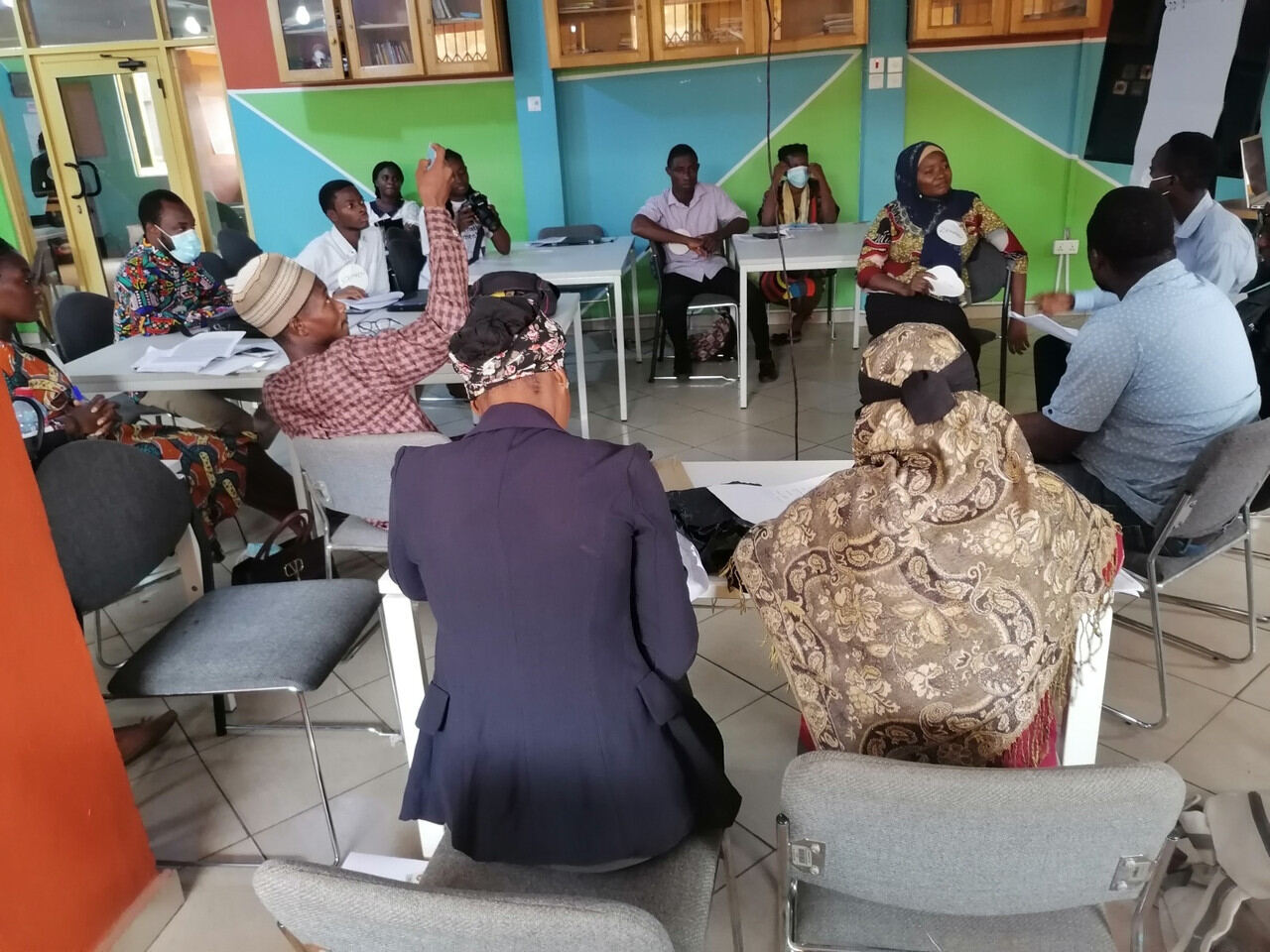
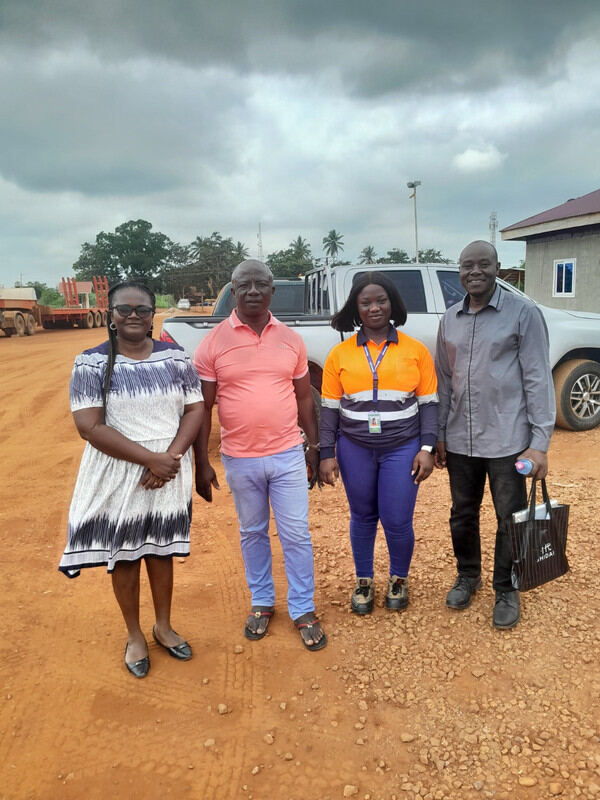
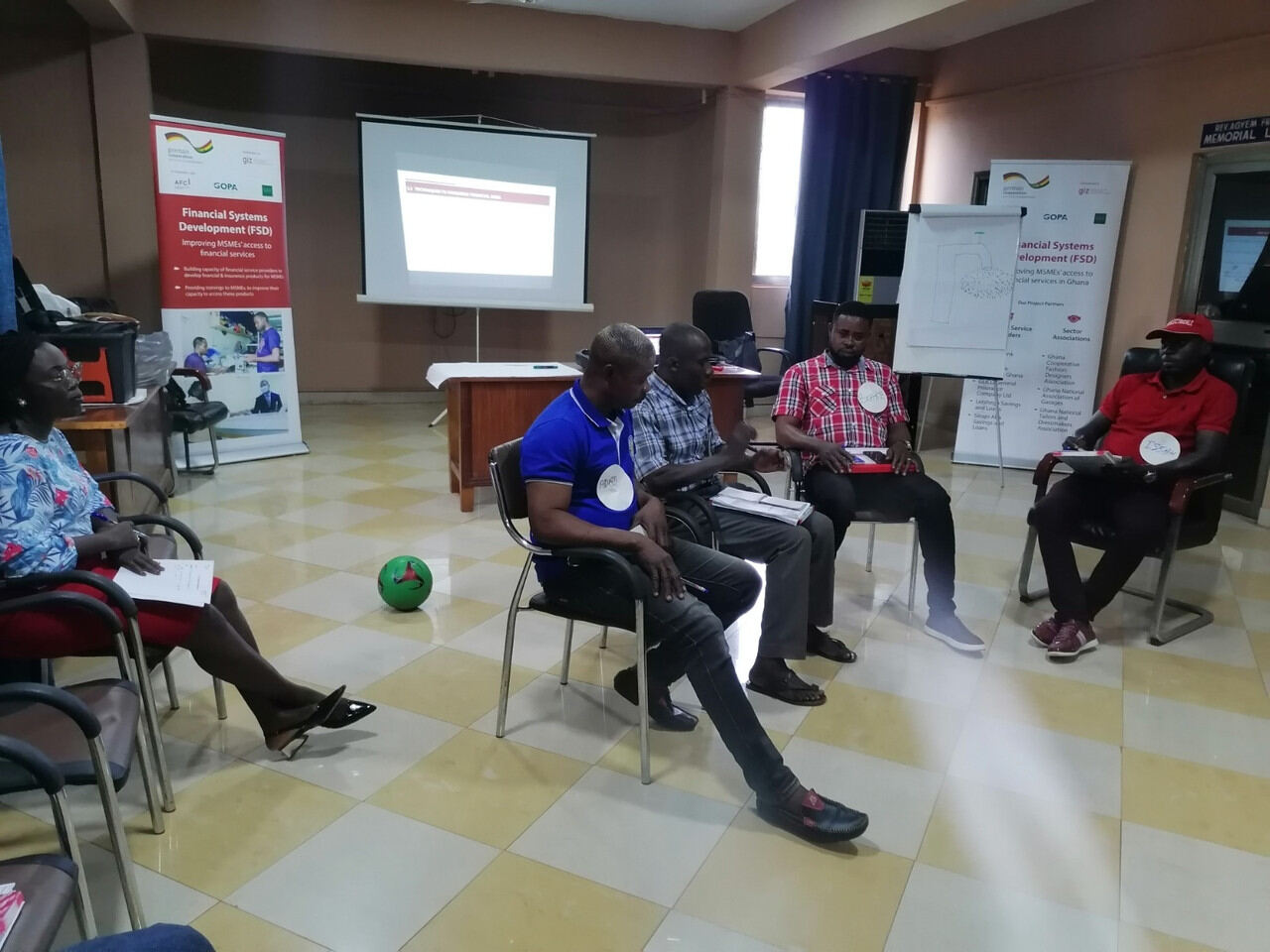
This is a synthesis of how WOEF works in practice, presented for clarity. It is not quoted from a formal published framework. Photographs illustrate the method; they are not records of a specific stage on a specific assignment.
01
Diagnose
Establish what is actually constraining performance through assessment, data and stakeholder consultation.
02
Design
Develop strategy, models and interventions proportionate to the organisation's capacity and context.
03
Align
Build leadership consensus, clarify ownership and secure the commitments delivery depends on.
04
Implement
Support execution with coaching, facilitation, tools and hands-on technical assistance.
05
Measure
Track adoption, performance and impact, and adjust on the basis of evidence.
Engagement models
Six ways organisations work with us
Most engagements combine two or three of these. Scope, duration and fee basis are confirmed in writing before work begins.
Diagnostic & Assessment
Short and time-boundA defined piece of work that establishes what is actually constraining performance before any solution is designed.
Typical scope
- Document and data review
- Stakeholder interviews and consultation
- Capacity, financial or ESG assessment
- Findings report with prioritised recommendations
Best for: Organisations that suspect a problem but have not isolated its cause.
Strategy & Advisory
Defined phases with agreed milestonesDesign work that turns a diagnosis into strategy, operating models, business cases or investment documentation.
Typical scope
- Strategy and business model design
- Business plans, financial models and pitch materials
- Sustainability and ESG strategy
- Governance and structure recommendations
Best for: Boards and management teams setting direction or preparing to raise capital.
Capacity Building & Training
From single workshops to multi-cohort programmesCustomised training and coaching, delivered after a training needs assessment rather than from a fixed catalogue.
Typical scope
- Training needs assessment
- Curriculum and materials development
- In-house, external-venue or online delivery
- Post-training coaching and evaluation
Best for: Institutions and programmes building durable internal capability.
Programme Design & Delivery
Multi-month to multi-yearLong-running enterprise support, MSME development or transformation programmes delivered with partners and funders.
Typical scope
- Programme design and results framework
- Enterprise selection and cohort management
- Technical assistance and business coaching
- Monitoring, reporting and learning
Best for: Development partners, associations and government institutions.
Retained Advisor
Rolling, reviewed periodicallyOngoing access to the team for management, board and investment decisions as they arise.
Typical scope
- Scheduled management or board sessions
- Decision support and review of proposals
- Introductions to financiers and partners
- Light-touch performance tracking
Best for: Growing enterprises that need judgement more often than deliverables.
Research & Evaluation
Study-dependentApplied research, baseline studies, market assessments and independent evaluation of programmes.
Typical scope
- Research design and instruments
- Primary and secondary data collection
- Analysis and reporting
- Dissemination and policy engagement
Best for: Funders and institutions that need evidence, not opinion.
An intervention an organisation cannot absorb is not a solution — it is a report.
Diagnosis before prescription
We do not recommend a solution until we can evidence the problem.
Proportionate to capacity
Interventions are scaled to what the organisation can realistically absorb and sustain.
Documented reasoning
Every recommendation is traceable to data, consultation or documented analysis.
Transparent limits
We state plainly what an engagement can and cannot deliver — including that funding decisions rest with financiers.
Delivery
Where and how the work happens
In-house
Delivered at the client's premises, with the client's own material and cases.
External venue
Off-site delivery for cohorts drawn from several organisations.
Online
Remote facilitation for distributed teams and regional programmes.
Hybrid
A combination, typically in-person intensives with remote follow-up coaching.
Not sure which model fits? Request a scoping conversation.
Method in practice
What the work looks like
Start here
Let's build something sustainable.
Tell us what you are working on. We will tell you honestly whether we are the right team for it.