
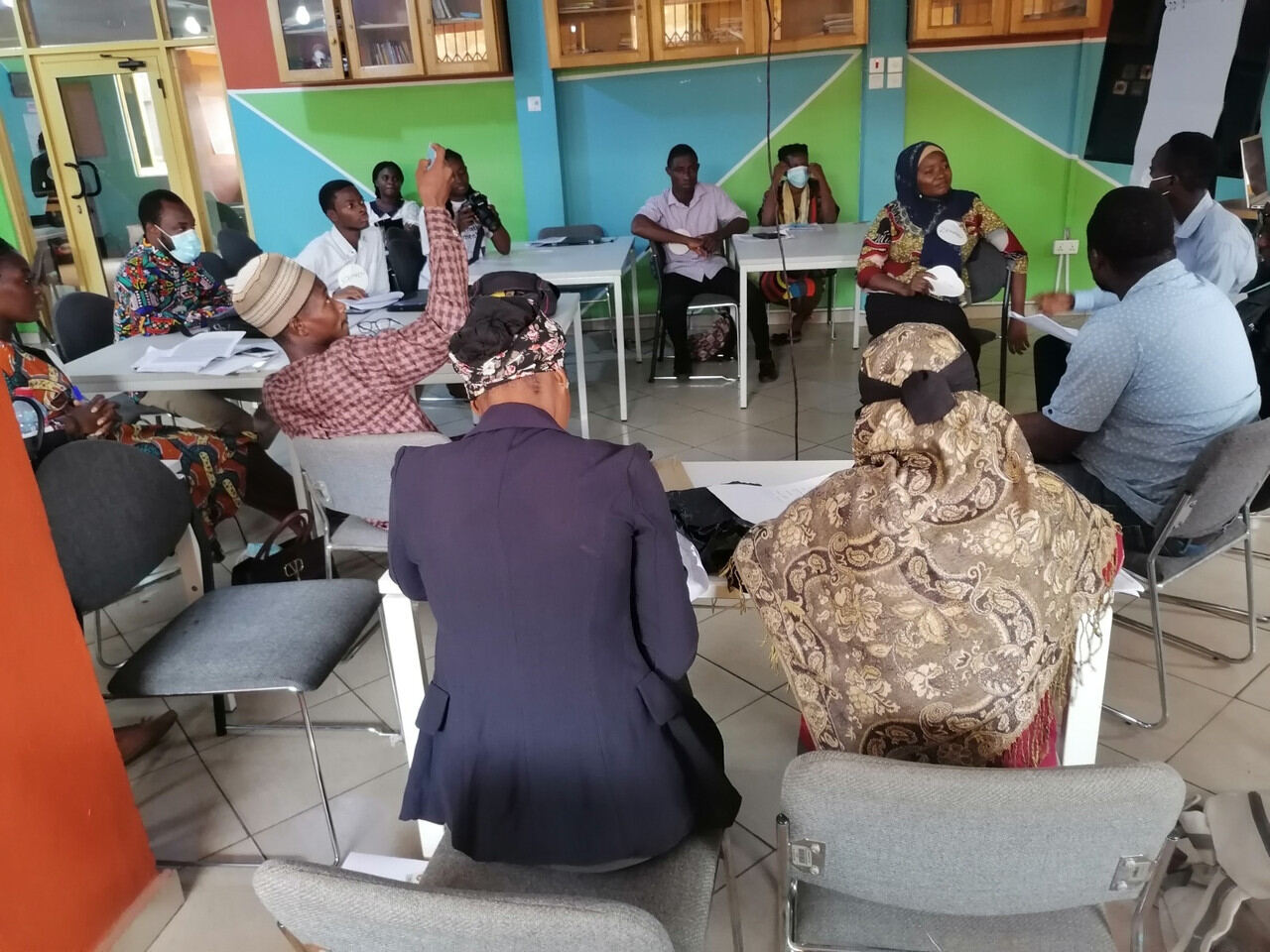
Development interventions operate across institutions that were not built to work together — ministries, agencies, district assemblies, associations, financial institutions and enterprises. Each has a mandate, a reporting line and an incentive structure.
Alignment work is often treated as a courtesy exercise: an inception workshop, a stakeholder list, a communiqué. Treated seriously, it is a design activity. Who must act for this to work, what does each actor gain, and what does each actor risk?
Roundtables are useful when they produce decisions and named owners. They are expensive theatre when they produce attendance lists. The difference is preparation — circulating the specific question in advance, and closing with an agreed action and date.
Where interests genuinely conflict, naming the conflict early is more productive than designing around it. Programmes that defer difficult trade-offs to implementation typically encounter them at the point where they are most costly to resolve.
Local ownership is the practical test. If the arrangement cannot survive the withdrawal of external facilitation, alignment has not been achieved.